Free drug and alcohol assessments are confidential evaluations that help determine whether someone has a substance use disorder and what level of care they may need. These screenings are widely available through treatment centers, community health programs, and online platforms at no cost.
If you or someone you care about is struggling with alcohol or drug use, a free assessment is often the first practical step toward getting help. It removes financial barriers and connects people to the right treatment options faster.
Key Takeaways
- Free assessments are available through SAMHSA-certified treatment centers, nonprofit organizations, and state-funded programs.
- According to SAMHSA's 2023 National Survey on Drug Use and Health, approximately 17.3 million people with a substance use disorder did not receive treatment, often citing cost and uncertainty as barriers.
- Assessments typically take 30 to 90 minutes and involve questions about substance use history, mental health, and daily functioning.
- Results from an assessment guide clinicians in recommending outpatient care, intensive outpatient programs, or residential treatment.
- No diagnosis is required before completing a free assessment. Anyone concerned about their substance use can request one.
What Is a Free Drug and Alcohol Assessment?
A free drug and alcohol assessment is a structured clinical interview or questionnaire completed by a licensed counselor or trained professional. It measures the frequency, severity, and impact of substance use on a person's life, relationships, and health.
These evaluations are not the same as a diagnosis. They are screening tools designed to identify risk levels and match individuals to appropriate treatment resources. Many assessments also screen for co-occurring mental health conditions like anxiety or depression.
Common Tools Used in Substance Use Screenings
Clinicians use standardized tools to keep assessments consistent and accurate. The most widely used include the AUDIT (Alcohol Use Disorders Identification Test), the DAST-10 (Drug Abuse Screening Test), and the ASI (Addiction Severity Index).
Each tool asks specific questions and assigns a score that reflects the severity of substance use. A higher score indicates a greater need for structured treatment. These tools are validated by research and used in clinical settings across the United States.
Where to Get a Free Alcohol and Drug Assessment
Free assessments are offered through multiple channels, making access straightforward regardless of location or income. Knowing where to look removes one of the most common obstacles to seeking help.
State-Funded Treatment Centers
Most states operate publicly funded behavioral health centers that provide free or sliding-scale assessments. These centers are licensed and staffed by credentialed counselors. You can locate one through your state's department of health or behavioral health services website.
SAMHSA's National Helpline
The Substance Abuse and Mental Health Services Administration (SAMHSA) operates a free, confidential helpline available 24 hours a day, 7 days a week at 1-800-662-4357. Staff can connect callers to local assessment services and treatment referrals at no cost.
Nonprofit and Community Organizations
Many nonprofit organizations, faith-based recovery programs, and community health clinics offer free assessments. These services are often available without insurance and serve individuals in underserved areas. Local hospitals and urgent care centers may also provide initial screenings.
Online Assessments
Several reputable platforms offer self-guided online screenings that provide immediate feedback. While these are not a substitute for a clinical evaluation, they can help someone understand their risk level and decide whether to pursue professional support.
What Happens During a Free Assessment?
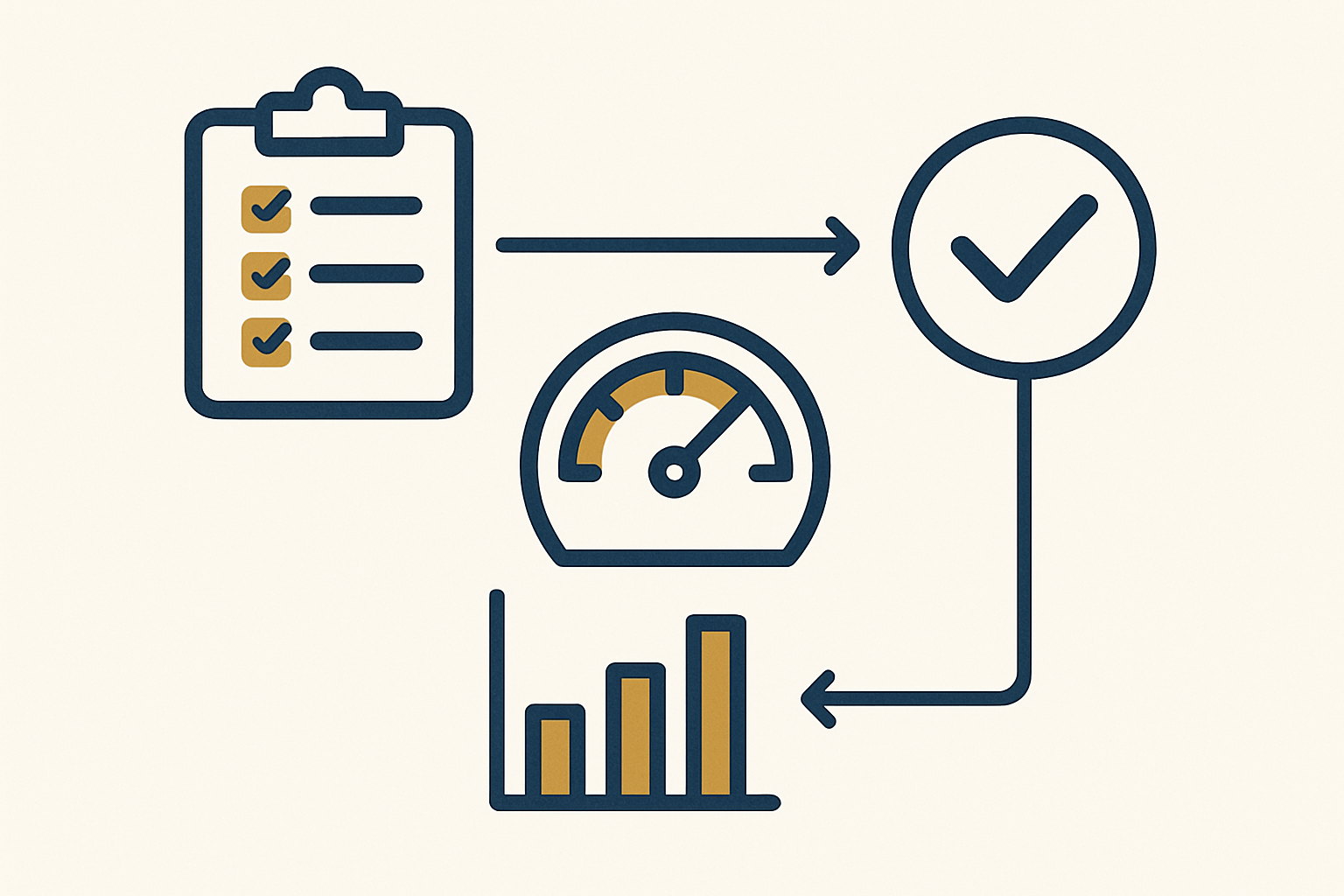
A standard assessment begins with basic intake questions covering personal history, current substance use, and any previous treatment. The clinician then moves through a structured set of questions using one or more validated screening tools.
You may be asked about the types of substances used, how often, and for how long. Questions also cover withdrawal symptoms, consequences of use, and any attempts to cut back. The process is non-judgmental and confidential in most clinical settings.
What Happens After the Assessment?
Once the assessment is complete, the clinician reviews the results and discusses recommended next steps. Depending on the severity of the findings, options may include outpatient counseling, an intensive outpatient program, medically supervised detox, or residential treatment.
You are not obligated to follow the recommendation immediately, but having a clinical opinion gives you a clear starting point. Many treatment centers use assessment results to begin building a personalized care plan.
Who Should Consider a Free Assessment?
Anyone who feels their drinking or drug use has become difficult to control should consider a free assessment. You do not need to be in crisis to qualify, and early screening often leads to better outcomes.
Assessments are also useful for family members seeking guidance on how to help a loved one. Some programs offer family consultations alongside individual evaluations, which can be valuable when coordinating an intervention or exploring treatment options together.
Frequently Asked Questions
Is a free drug and alcohol assessment truly confidential?
Yes, in most cases. Licensed treatment providers are bound by federal confidentiality regulations under 42 CFR Part 2, which protect substance use treatment records. Information shared during an assessment cannot be disclosed without your written consent, with limited exceptions such as imminent harm to yourself or others.
Can I get an assessment without health insurance?
Yes. State-funded programs, SAMHSA referrals, and many nonprofit organizations provide free assessments regardless of insurance status. Medicaid also covers substance use assessments for eligible individuals. You do not need coverage to access a confidential evaluation.
How is an assessment different from a diagnosis?
An assessment is a screening process that measures risk and severity. A formal diagnosis of a substance use disorder is made by a licensed clinician, such as a psychiatrist or psychologist, using criteria from the DSM-5. Assessments inform that process but are not the same as receiving a clinical diagnosis.
How long does a free assessment take?
Most assessments take between 30 and 90 minutes depending on the depth of the evaluation and the tools used. Simpler online screenings may take 10 to 15 minutes, while comprehensive clinical interviews conducted in person tend to be more thorough and time-intensive.
Bottom Line
Free drug and alcohol assessments remove cost as a barrier and provide a clear, professional starting point for anyone concerned about substance use. They are confidential, widely available, and designed to connect people to the right level of care.
For plain-language guides on assessment types, treatment options, and what to expect during recovery, alcohol-and-drug-guide.com is a practical resource worth bookmarking.
References
- Substance Abuse and Mental Health Services Administration. (2023). National Survey on Drug Use and Health (NSDUH): 2023 results. U.S. Department of Health and Human Services. https://www.samhsa.gov/data/report/2023-nsduh-annual-national-report
- Substance Abuse and Mental Health Services Administration. (2023). SAMHSA's National Helpline. U.S. Department of Health and Human Services. https://www.samhsa.gov/find-help/national-helpline
- National Institute on Drug Abuse. (2022). Treatment and recovery. National Institutes of Health. https://nida.nih.gov/publications/drugs-brains-behavior-science-addiction/treatment-recovery
- Saunders, J. B., Aasland, O. G., Babor, T. F., de la Fuente, J. R., & Grant, M. (1993). Development of the Alcohol Use Disorders Identification Test (AUDIT). Addiction, 88(6), 791-804.
- McLellan, A. T., Luborsky, L., Woody, G. E., & O'Brien, C. P. (1980). An improved diagnostic evaluation instrument for substance abuse patients: The Addiction Severity Index. Journal of Nervous and Mental Disease, 168(1), 26-33.